
Imagine waiting for your usual local train when your heartbeat suddenly quickens. Your chest feels tight, your palms become sweaty, and a frightening thought appears: What if something happens to me here? Although the platform looks familiar, you begin searching for an exit. You feel an overwhelming need to get somewhere safe, even when there is no obvious danger. For some people, the physical symptoms settle within minutes, but the worry continues.
A clinical hypnotherapy offers support for individuals experiencing anxiety-related concerns. At Holistic Living Wellness Studio, personalised therapeutic discussions consider individual circumstances, emotional responses and everyday functioning before exploring suitable approaches.
In This Guide
- Understanding Anxiety and Panic Attacks: What’s the Difference?
- Why Do Panic Attacks Create Fear of Everyday Situations?
- What Does Research Say About Hypnotherapy for Anxiety?
- How Does Clinical Hypnotherapy Work for Anxiety and Panic Attacks?
- Practical Ways to Manage Anxiety Between Therapy Sessions
- Can Clinical Hypnotherapy Help With Recurring Panic Attacks?
- How Do You Choose a Clinical Hypnotherapist in Mumbai?
- Clinical Hypnotherapy and Anxiety Support at Holistic Living Mumbai
- Conclusion
Understanding Anxiety and Panic Attacks: What’s the Difference?
Anxiety and panic attacks share several symptoms, but they are not the same experience. Anxiety generally involves ongoing worry, apprehension and physical tension. It may develop gradually and persist when someone anticipates difficulties or feels uncertain about the future.
A panic attack, on the other hand, involves a sudden surge of intense fear or discomfort, often accompanied by strong physical sensations. Symptoms can feel overwhelming and may peak within minutes. Understanding the difference can help you describe your experiences more clearly without immediately assuming a diagnosis.
| Aspect | Anxiety | Panic Attack |
|---|---|---|
| Onset | Often develops gradually | Usually begins suddenly |
| Duration | May continue for hours or longer | Often peaks within minutes |
| Physical symptoms | Muscle tension, restlessness, fatigue | Racing heartbeat, sweating, trembling, dizziness |
| Thought patterns | Persistent worry about possible problems | Intense fear of losing control or impending danger |
| Daily impact | Difficulty relaxing, sleeping or concentrating | Fear of another episode and avoidance of situations |
Both experiences can affect emotional well-being and everyday functioning. However, experiencing a panic attack does not automatically mean someone has panic disorder. Repeated unexpected attacks, persistent concern about another episode and significant behavioural changes may warrant a professional assessment.
New or severe chest pain, fainting or significant breathing difficulties should receive prompt medical evaluation. Physical symptoms should never automatically be attributed to anxiety. For a broader understanding of symptoms and available support, explore our guide to anxiety and panic attack treatment in Mumbai.
Why Do Panic Attacks Create Fear of Everyday Situations?

One of the most difficult aspects of recurring panic is anticipating another episode. After experiencing intense physical sensations, you may become increasingly attentive to your heartbeat, breathing, dizziness or other bodily changes. Even ordinary sensations can begin to feel threatening.
This can create a cycle: you experience an uncomfortable physical sensation, interpret it as a possible sign of danger, become increasingly frightened and start worrying about another episode. Eventually, you may avoid situations where you fear losing control. Consider a professional travelling from Thane to Bandra who experiences a panic attack during a crowded commute. Afterwards, they may start avoiding peak-hour trains, leaving meetings early or declining opportunities that involve travelling alone.
Although avoiding these situations may provide temporary relief, repeatedly relying on avoidance can reinforce fear and make everyday activities increasingly difficult. Appropriate therapeutic support can help individuals understand these responses and gradually rebuild confidence through suitable coping strategies and behavioural approaches.
Sometimes, recurring panic also occurs alongside excessive worrying and repetitive thinking. Understanding these patterns can be useful when exploring support for overthinking and excessive worry.
How Does Clinical Hypnotherapy Work for Anxiety and Panic Attacks?
Clinical hypnotherapy involves guided focused attention, relaxation, imagery and therapeutic suggestions. It is not unconsciousness, sleep or mind control. Individuals remain aware of their surroundings and can communicate, decline suggestions or stop the process. For someone experiencing anxiety, a personalised approach may involve several stages.
1. Initial Assessment and Discussion
At holistic living wellness studio, the therapist begins by understanding the person’s concerns, anxiety experiences, relevant health history, current treatment and personal goals. Discussions may explore situations associated with anxiety, recurring fears, physical responses and the effect these experiences have on everyday functioning. This helps determine whether hypnotherapy is appropriate or whether additional professional assessment is needed.
2. Guided Relaxation and Focused Attention
The therapist introduces calming instructions, guided imagery or attention-based exercises. These techniques are adapted to individual comfort. The purpose is to create a focused environment in which therapeutic exercises can be explored without pressure.
3. Therapeutic Suggestions and Mental Rehearsal
Depending on the person’s needs, sessions may involve imagining manageable responses to previously feared situations. For example, someone who feels anxious about attending meetings or travelling by train may explore mental rehearsal involving a calmer and more considered response. These exercises should be connected to realistic therapeutic goals rather than promises that anxiety will disappear.
4. Reviewing Progress
Progress can be discussed through changes in anxiety, avoidance, confidence and everyday functioning. The therapist and client can review which approaches feel useful and whether the plan needs adjustment. Clinical hypnotherapy may be explored alongside suitable counselling or CBT when appropriate. To understand the approach in greater detail, explore clinical hypnotherapy services at Holistic Living Wellness Studio.
Practical Ways to Manage Anxiety Between Therapy Sessions
Therapeutic sessions are only one part of developing healthier responses to anxiety. Small, consistent practices may also support emotional well-being.
Recognise familiar panic patterns: Notice the situations, thoughts or physical sensations that commonly appear before anxiety increases. Understanding these patterns may help you respond more consciously.
Reduce repeated symptom checking: Constantly monitoring your heartbeat, breathing or other physical sensations can maintain anxiety for some individuals. Discuss alternative coping strategies with an appropriate professional.
Review caffeine and sleep habits: Consider whether excessive caffeine, irregular sleep or ongoing exhaustion contribute to feeling unsettled. Consistent sleep routines and appropriate lifestyle adjustments may support general well-being.
Practise gentle grounding: Bring your attention towards your surroundings instead of becoming completely absorbed in frightening thoughts. For example, identify five things you can see, four things you can physically feel and three sounds you can hear. Allow your breathing to remain comfortable rather than forcing deep breaths. Grounding is an optional coping exercise, not a guaranteed way to stop panic attacks.
Discuss avoided situations: If you have started avoiding travelling, meetings or social activities, discuss this with a qualified professional. Gradual, appropriately supported behavioural steps may help you rebuild participation without overwhelming yourself.
Progress does not necessarily mean never experiencing anxiety. It may mean developing a more flexible response when anxiety appears and participating more comfortably in everyday activities. If excessive stress also affects your physical comfort or energy levels, you may find our guide to stress-related physical symptoms and body tension useful.

Can Clinical Hypnotherapy Help With Recurring Panic Attacks?
Clinical hypnotherapy helps individuals explore anxiety associated with recurring panic experiences. For some individuals, the most distressing aspect of panic is not the original episode but the uncertainty surrounding the next one. They may begin avoiding crowded places, travelling alone or situations where leaving quickly feels difficult. When appropriate, clinical hypnotherapy provides opportunities to explore several areas.
Anticipatory anxiety: Guided imagery and therapeutic suggestions may be used to explore responses to situations associated with fear.
Emotional awareness: Focused attention may help individuals recognise tension, worry and familiar emotional responses.
Confidence in everyday activities: Mental rehearsal may support preparation for manageable situations, alongside appropriate behavioural strategies.
Individual stress patterns: Discussions may explore how work responsibilities, relationship concerns, uncertainty and personal circumstances contribute to emotional distress.
The objective is not to eliminate every uncomfortable feeling or guarantee that panic will never happen again. Instead, the broader aim is to develop healthier responses to anxiety and reduce the extent to which fear influences everyday choices.
People experiencing frequent panic attacks, significant avoidance or substantial disruption to daily functioning should seek an appropriate mental health assessment. A suitable treatment plan can involve CBT, medical care and complementary support where appropriate.
How Do You Choose a Clinical Hypnotherapist for Anxiety and Panic Attacks in Mumbai?
Choosing a clinical hypnotherapist involves more than finding someone who offers guided relaxation or meditation. A responsible practitioner should explain their training, professional experience, therapeutic methods and the limitations of the approach. Before beginning sessions, consider the following:
Initial assessment: Your symptoms, health history, current treatment and individual goals should inform the proposed approach.
Clear explanation of the process: You should understand what a session involves, including consent, confidentiality and your ability to stop at any time.
Collaborative progress reviews: Improvements in confidence, everyday functioning and avoidance should be considered alongside your personal experience.
You may also want to ask whether online sessions are suitable, how appointments are arranged and what the consultation and session fees involve. A supportive therapeutic relationship should allow you to ask questions without pressure. You can explore the available counselling and therapy services in Mumbai to understand the different approaches offered at Holistic Living.
Clinical Hypnotherapy and Anxiety Support at Holistic Living Wellness Studio Mumbai
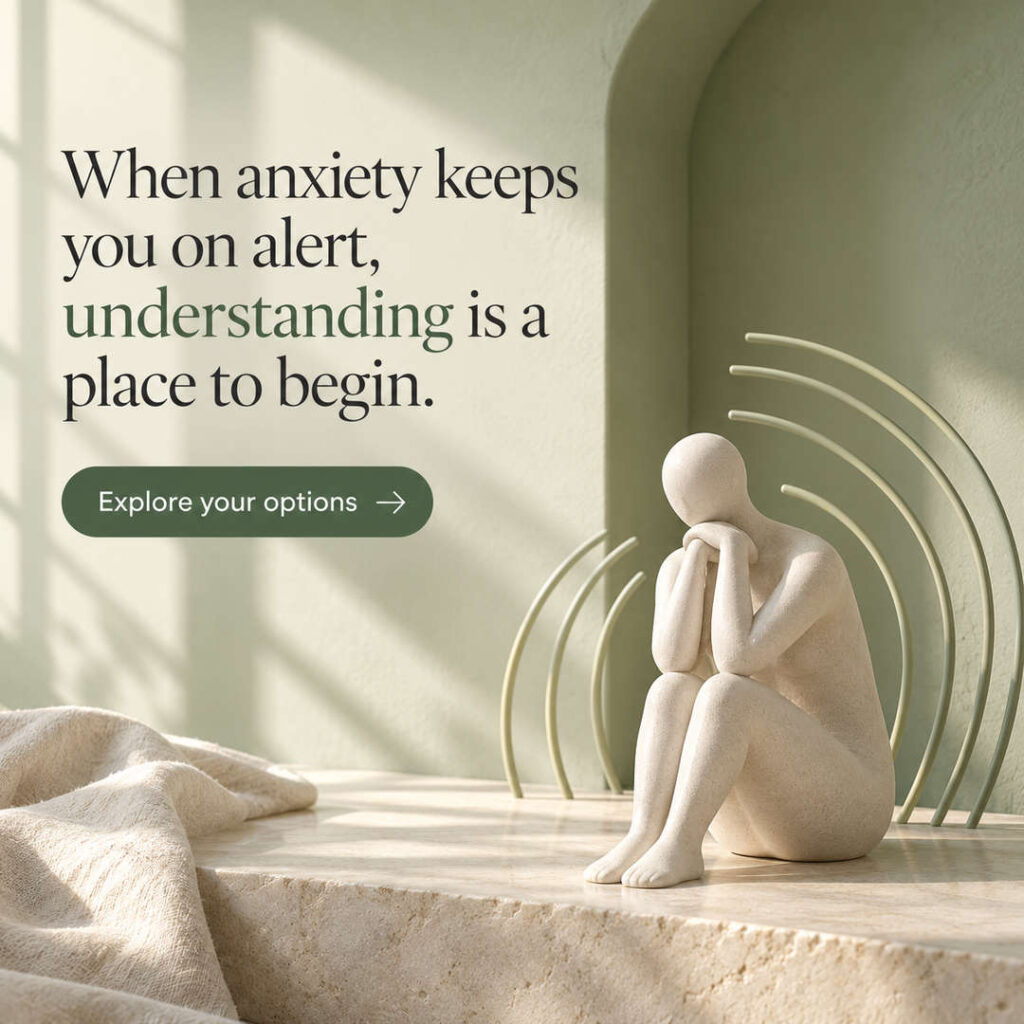
Holistic Living Wellness Studio takes an individualised approach to understanding anxiety, emotional distress and recurring panic experiences. The focus is on exploring personal circumstances, emotional responses, stress patterns and situations that may contribute to anxiety.
Clinical hypnotherapy may complement this approach through guided relaxation, focused attention and therapeutic suggestions.
In a structured therapeutic setting, these techniques may help individuals explore anxiety-related emotional responses, recognise learned associations and practise healthier ways of responding to situations that trigger fear or distress.
The suitability of each approach depends on the individual’s experiences, symptoms and therapeutic needs. For persistent anxiety or recurring panic attacks, clinical hypnotherapy should be considered complementary support rather than a replacement for appropriate medical or psychological treatment.
What Does Research Say About Hypnotherapy for Anxiety?
A 2019 meta-analysis by Valentine and colleagues, published in the International Journal of Clinical and Experimental Hypnosis, examined 15 studies involving 17 trials. The researchers reported encouraging reductions in anxiety among participants receiving hypnosis-based interventions. They also found that hypnosis appeared more effective when combined with other psychological interventions than when used independently.
Sanjeev Mittal’s Clinical Hypnotherapy Perspective
Sanjeev Mittal, Certified Clinical Hypnotherapist and Family Counsellor, brings an integrative perspective to emotional well-being and behavioural patterns. When discussing anxiety-related concerns, three areas may be useful to explore:
Fear associated with bodily sensations: Understanding how interpretations of a racing heart, dizziness or physical tension may contribute to increasing distress.
Anticipatory anxiety: Exploring worries about future panic attacks and situations that individuals may have started avoiding.
Individual emotional circumstances: Considering work pressure, sleep, relationships, personal experiences and ongoing stress without assuming that every individual has the same underlying cause.
These considerations can inform discussions about appropriate counselling approaches and whether complementary hypnotherapy may fit the person’s needs. The important consideration is individual suitability. Therapeutic choices should reflect personal circumstances, symptom severity, professional assessment and available evidence.
Personalised Support Across Mumbai and Navi Mumbai
Holistic Living Wellness Studio offers personalised support across Bandra West, Chembur, Powai, Andheri East, Worli–Prabhadevi, Thane West and Vashi–Navi Mumbai. The studio also offers online counselling and wellness sessions across India and internationally, subject to practitioner availability and individual suitability.
Holistic Living Wellness Studio offers a Free 10-Minute Consultation to help you discuss your concerns, understand available support options and ask questions about the therapeutic process. You can also learn more about Holistic Living Wellness Studio before deciding on your next step, or book an consultation.

Conclusion
Anxiety can make familiar places feel uncertain and ordinary activities feel overwhelming. However, it does not have to determine every decision you make. Understanding your emotional responses, recognising recurring patterns and exploring appropriate professional support can help you work towards greater confidence and everyday functioning.
Clinical hypnotherapy offers additional support in managing anxiety and panic-related concerns when tailored to an individual’s needs. Its role is best understood as part of a personalised approach to emotional well-being, alongside appropriate psychological or medical care when required.
At Holistic Living Wellness Studio, the emphasis is on understanding your circumstances, discussing suitable options and respecting your pace throughout the process. You can request a Free 10-Minute Consultation to discuss your concerns and understand the support available.
Written by: Editor, HL Research Team
Reviewed by: Sanjeev Mittal, Certified Clinical Hypnotherapist, Relationship Coach & Family Counsellor
Read Next : Anxiety Disorder: Symptoms, Causes and Treatments
